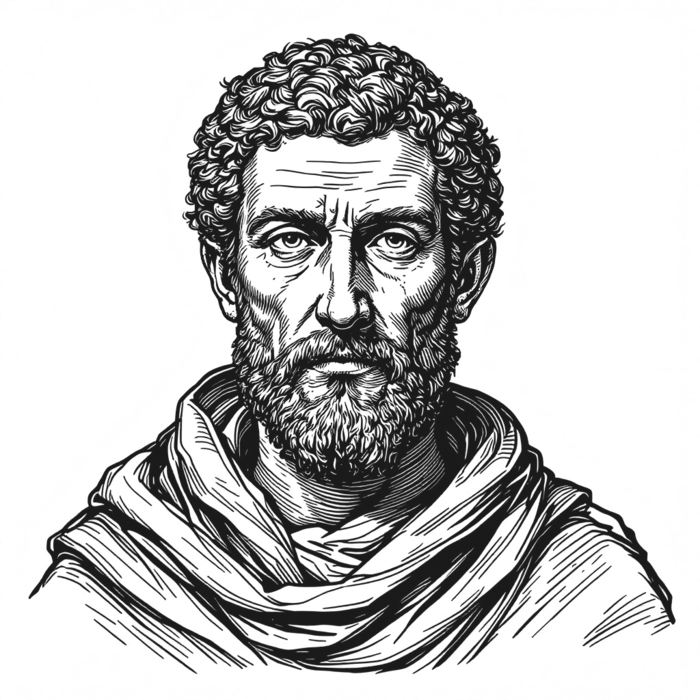
Niccolo Machiavelli

Niccolo Machiavelli

Niccolò Machiavelli (1469–1527) was an Italian diplomat, political philosopher, historian, and writer who is often considered the father of modern political science. Born in Florence during the height of the Renaissance, he served for fourteen years as a senior official in the Florentine Republic. When the Medici family returned to power in 1512, he was dismissed, imprisoned, and tortured before being exiled to his farm. It was during this forced retirement that he wrote his most famous works. The Prince (1513) offered ruthlessly pragmatic advice on acquiring and maintaining political power, arguing that a ruler must be prepared to act immorally when circumstances demand it. His Discourses on Livy provided a more extensive analysis of republican government, drawing lessons from Roman history to argue for the superiority of republics. Machiavelli's separation of political analysis from moral judgment, his emphasis on the study of history, and his unflinching examination of power as it actually operates earned him both enduring fame and the pejorative adjective "Machiavellian."